Best Barefoot Shoes for Spring Hiking (2026): Trail-Tested Picks
Last updated: February 11, 2026
Spring hiking is brilliant in theory. Trails awakening, wildflowers emerging, the promise of warmer days ahead. In practice? It’s a minefield of mud, unpredictable weather, and that awkward temperature zone where you’re either too hot or too cold.
I’ve done enough spring hikes in the wrong footwear to know: your summer trail runners will leave your feet soaked and freezing, but full winter boots turn into sweat lodges by midday. You need something in between.
If you’re hiking in barefoot shoes (or thinking about starting), spring adds an extra layer of complexity. You want ground feel, but also protection from cold, wet conditions. You want flexibility, but enough tread to handle muddy switchbacks without skating downhill like Bambi on ice.
Here’s what actually works when the trails are half thawed, half treacherous.
Quick Overview
Top 5 at a Glance:
| Shoe | Price | Weight | Waterproof | Best For |
|---|---|---|---|---|
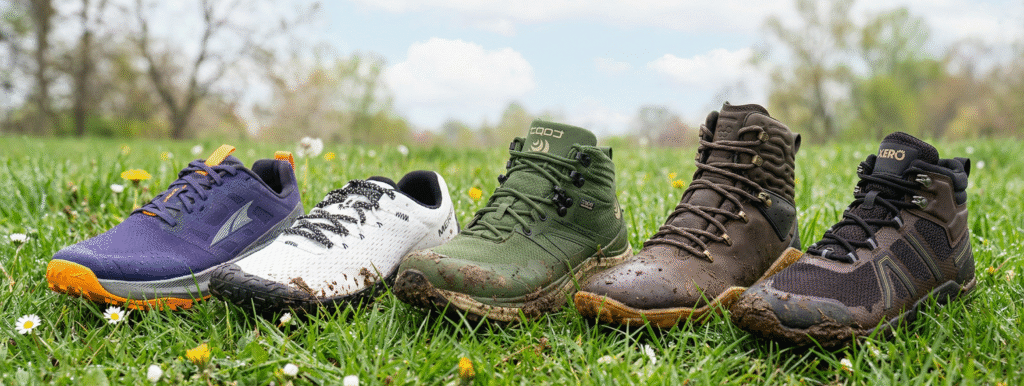
| Xero Xcursion Fusion | $140/ £110 | 280g | Yes | All-round |
| Vivobarefoot Tracker FG | $200/ £199 | 350g | Yes | Wet/muddy |
| Merrell Vapor Glove 6 | $100/ £100 | 180g | No | Fast/dry |
| Altra Lone Peak 9 | $140/£130 | 290g | Water-resistant | Versatile/ Comfort |
| Topo Athletic Trailventure | $180/ £200 | 400g | Yes | The least barefoot option |
Why Barefoot Shoes for Spring Hiking?
Ground feel matters more on uneven terrain
Spring trails are unpredictable – roots hidden under leaf litter, rocks slick with morning dew, mud that varies from ankle-deep to surprisingly firm. Barefoot shoes let your feet adapt and respond naturally to the terrain instead of relying on chunky foam that masks what’s underfoot.
Your feet warm themselves better than insulation
Conventional hiking boots trap moisture and dead air. Barefoot shoes with natural foot movement increase circulation, keeping your feet warmer even in lightweight designs. Add merino wool socks and you’re sorted for most spring conditions.
Less weight = less fatigue over distance
Spring hikes tend to be longer (because you’re finally out of hibernation). Every ounce on your feet equals five on your back. Barefoot shoes typically weigh 200-300g vs 500-800g for traditional boots. Your legs will thank you at mile 10.
The 5 Best Barefoot Shoes for Spring Hiking
1. Xero Shoes Xcursion Fusion – Best All-Rounder
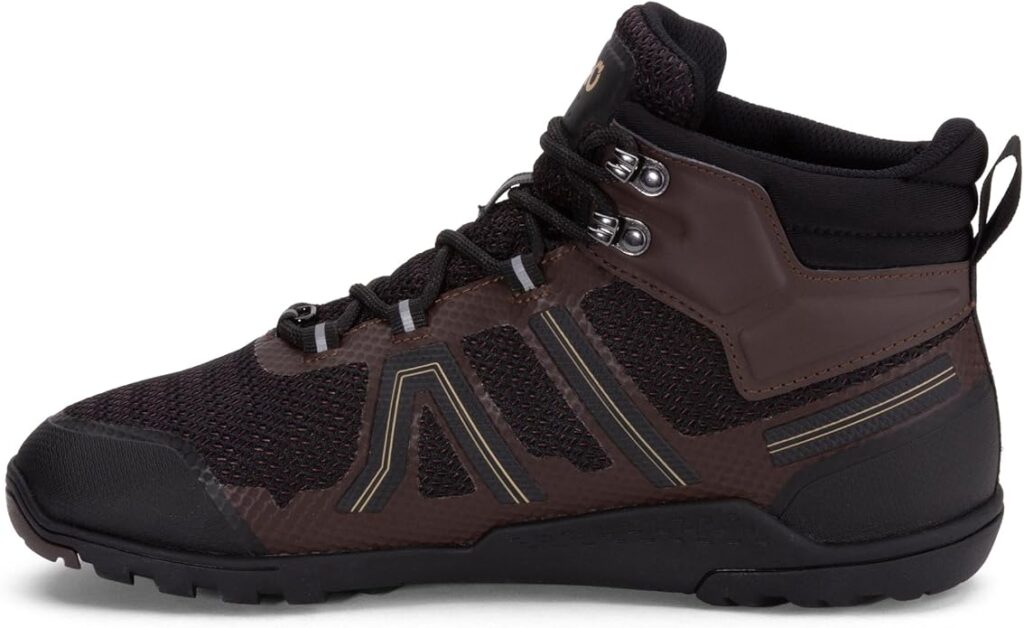
Price: $140
Weight: 280g per shoe (men’s 9)
Waterproof: Yes (eVent membrane)
Ground feel: 7/10
Our verdict: 8.5/10
🛒 Check Current Price on Amazon
As an Amazon Associate, we earn from qualifying purchases
What We Love
1. eVent waterproof membrane that actually breathes
The eVent membrane outperforms Gore-Tex in breathability, which matters significantly when you’re pushing uphill in 10°C weather that feels like 21°C with exertion. Your feet stay dry from external moisture without turning into swamps from internal sweat. In testing through Scottish Highlands in April – cold mornings, wet afternoons – feet stayed dry and comfortable throughout.
2. 5.5mm FeelTrue sole balances ground feel with protection
This sole thickness hits the sweet spot for spring hiking. Thin enough to genuinely feel terrain changes underfoot – you’ll know when you’re on mud versus rock versus packed dirt. Thick enough that sharp rocks and roots don’t cause discomfort on long descents. The tread pattern provides excellent grip on muddy, loose trails without excessive bulk.
3. Mid-height design keeps debris out
The ankle collar isn’t restrictive (your ankle still moves naturally through its full range) but it effectively keeps trail debris, light snow, and water splashes from entering. This matters more in spring than summer – wet leaves, mud, and slush constantly try to work their way into low-cut shoes.
4. True barefoot feel in a hiking boot package
Despite the waterproofing and mid-height construction, these maintain genuine barefoot principles. Wide toe box allows natural toe splay, zero-drop platform keeps your body aligned, and the sole flexibility lets your foot adapt to terrain rather than forcing terrain to adapt to your foot.
Potential Drawbacks
1. Heavier than pure minimalist options
At 280g per shoe, these won’t win lightweight awards. The waterproofing, ankle height, and robust construction add weight. If you’re doing dry, established trails in late spring, you might prefer something lighter. The extra weight is noticeable compared to road running barefoot shoes.
2. Runs narrow even by barefoot standards
Multiple users report the fit runs narrower than other Xero models. If you’re between sizes or have particularly wide feet, size up half a size. The toe box is still wider than conventional boots, but not as generous as some other barefoot options on this list.
Who Should Buy
Perfect For:
- Multi-day spring treks where weather varies
- Muddy, wet trail conditions
- Hikers transitioning from traditional boots
- Those wanting hiking boot protection with barefoot benefits
- Variable spring weather in mountains or coastal regions
Maybe Not For:
- Ultralight enthusiasts prioritizing every gram
- Dry climate spring hiking (overkill for the conditions)
- Those with extra-wide feet (try Feelgrounds instead)
- Budget-conscious beginners (consider Sole Runner)
2. Vivobarefoot Tracker FG – Wet & Wild Option
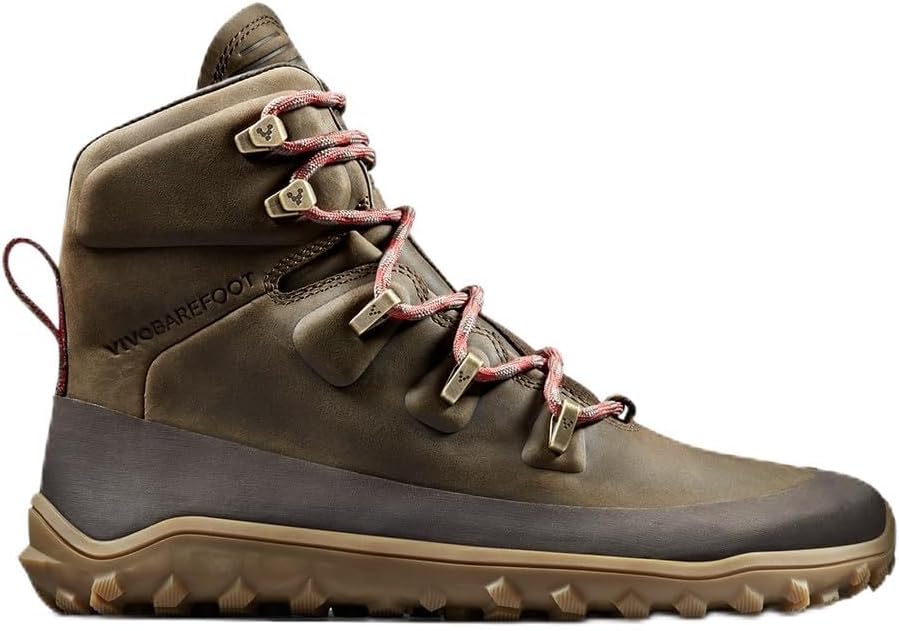
Price: $200/ £199
Weight: 350g per shoe (men’s 9)
Waterproof: Yes (proprietary membrane)
Ground feel: 6/10
Our verdict: 8.0/10
🛒 Check Current Price on Amazon
As an Amazon Associate, we earn from qualifying purchases
What We Love
1. Aggressive FG (Firm Ground) lug pattern for mud
The “FG” designation borrows from football boot terminology – deep, widely-spaced lugs designed specifically for soft, muddy ground. In practice, this means genuine grip in conditions where other hikers are slipping constantly. Tested on Peak District bogs and Welsh mountain trails, the traction outperforms most hiking boots.
2. Burly leather upper handles abuse
Full-grain leather construction shrugs off thorns, scree, and trail debris that would tear lighter materials. The leather is stiff initially (plan for 2-3 week break-in) but once molded to your foot, it provides excellent protection while remaining flexible enough for natural movement.
3. Extra-wide toe box accommodates thick socks
The internal volume is generous even by barefoot standards. You can comfortably wear thick merino hiking socks without compromising toe splay. This matters in spring when morning temperatures demand insulation but afternoons warm up.
4. Proven durability for multi-season use
These are built to last years, not months. The leather ages well, the sole construction is robust, and Vivobarefoot’s quality control means these will handle hundreds of miles of rough trails. At $200, the longevity justifies the investment.
Potential Drawbacks
1. Premium price point
At $200, these are the most expensive option on this list. The quality justifies the cost for serious hikers, but casual spring hikers might find better value elsewhere. You’re paying for expedition-grade construction when many trails don’t demand it.
2. Heavy and requires break-in period
At 350g per shoe, these are the heaviest barefoot option here. The stiff leather needs 2-3 weeks of regular wear before it becomes comfortable. If you’re planning a spring trip next weekend, order these now for next year.
Who Should Buy
Perfect For:
- Wet climates (UK, Pacific Northwest, Northern Europe)
- Off-trail scrambling and bushwhacking
- Hikers needing maximum traction on loose/muddy ground
- Those who value durability over lightweight
- Multi-day trips in variable conditions
Maybe Not For:
- Dry climate hikers (wasted features)
- Budget-conscious buyers
- Those wanting shoes ready to hike immediately (break-in required)
- Ultralight backpackers counting grams
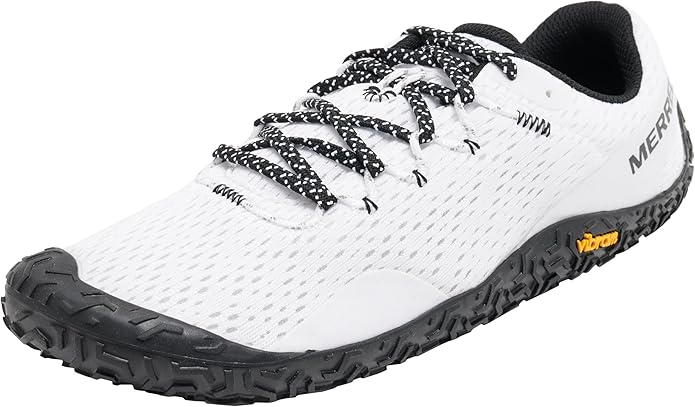
3. Merrell Vapor Glove 6 – Lightweight & Fast
Price: $100/ £100
Weight: 180g per shoe (men’s 9)
Waterproof: No
Ground feel: 9/10
Our verdict: 7.5/10
🛒 Check Current Price on Amazon
As an Amazon Associate, we earn from qualifying purchases
What We Love
1. Ultra-light design disappears on your feet
At 180g per shoe, you barely notice these while hiking. The reduced weight means significantly less leg fatigue over long distances. Your stride stays efficient even at mile 15 when heavier boots would be dragging.
2. Exceptional ground feel with 6mm Vibram sole
The legendary Vibram sole provides excellent grip while maintaining minimal stack height. You’ll know exactly what surface you’re walking on – distinguishing between packed dirt, loose gravel, and wet rock becomes second nature. This proprioceptive feedback improves foot placement and reduces injury risk.
3. Fast-drying mesh upper
Hit an unexpected stream crossing or spring rain shower? These dry remarkably quickly – often within an hour of continued hiking. The breathable mesh prevents the swampy interior that plagues waterproof boots on warm days.
4. Flexible enough to pack flat
These compress small enough to stuff in a backpack, making them excellent travel shoes. For spring trips where you might want different footwear for town versus trail, these barely take space.
Potential Drawbacks
1. Zero waterproofing
Your feet WILL get wet in mud, puddles, or rain. This isn’t water-resistant – it’s openly permeable. For wet spring conditions, you’re committing to wet feet. The shoes dry fast, but that’s small comfort on a cold morning.
2. Minimal protection from sharp objects
The 6mm sole and thin upper mean sharp rocks and roots are felt acutely. If your feet aren’t well-conditioned to barefoot hiking, expect soreness on technical, rocky trails. This is intentional for proprioception but challenging for beginners.
Who Should Buy
Perfect For:
- Fast-paced day hikes on established trails
- Dry spring conditions (late April onward in temperate climates)
- Experienced barefoot hikers with tough feet
- Trail runners transitioning to hiking
- Those prioritizing weight savings and ground feel
Maybe Not For:
- Wet climate spring hiking
- Barefoot beginners (too minimal to start)
- Rocky, technical terrain (unless feet are conditioned)
- Multi-day trips carrying heavy packs
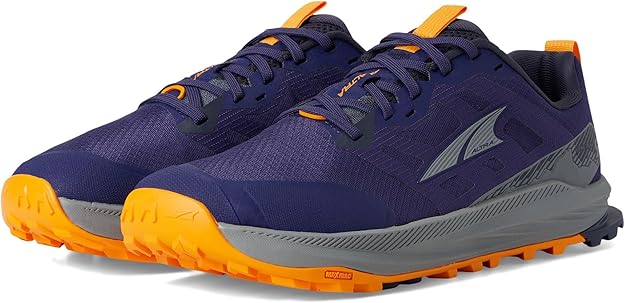
4. Altra Lone Peak 9 – The Wide Comfort Champion
Price: $140/ £130
Weight: 320g per shoe (men’s 9)
Waterproof: No (waterproof version available)
Ground feel: 4/10
Our verdict: 7.8/10
🛒 Check Current Price on Amazon
As an Amazon Associate, we earn from qualifying purchases
Important Note: The Altra Lone Peak isn’t technically a barefoot shoe – it has 25mm of cushioning. But it’s zero-drop and has an exceptionally wide FootShape toe box, making it the perfect “transition shoe” for those moving from traditional boots toward minimalism, or for barefoot enthusiasts who want cushioned recovery on rough spring trails.
What We Love
1. Legendary FootShape toe box for natural splay
The Lone Peak’s wide toe box is its defining feature. Your toes spread naturally as if walking barefoot through sand. For spring hikers whose feet swell during long days, or anyone who gets toe blisters in conventional boots, this design is transformative. Many thru-hikers swear by these specifically for blister prevention.
2. Zero-drop platform promotes natural posture
Despite the 25mm cushioning, your heel and toes sit at the same height. This maintains the natural body alignment of barefoot shoes while providing significantly more protection than minimal options. The zero-drop design takes adjustment (give yourself 2-3 weeks of gradual use) but strengthens foot and ankle muscles over time.
3. Updated Vibram Megagrip outsole (9+ version)
The newest iteration (Lone Peak 9+) finally addresses the old MaxTrac sole’s poor wet traction with Vibram Megagrip. The improvement is dramatic – confident grip on wet rocks, roots, and muddy trails where the old version would slip. For spring hiking with variable wet conditions, this upgrade is crucial.
4. Moderate cushioning handles rough spring trails
At 25mm stack height, these absorb the punishment of rocky, root-covered trails better than minimal shoes. After a long winter, your feet might not be conditioned for pure barefoot hiking. The Lone Peak 9 provides excellent ground feedback while protecting against foot fatigue on technical terrain.
Potential Drawbacks
1. NOT actually barefoot (but that’s the point)
Purists will note the substantial cushioning. If you’re seeking maximum ground feel, these won’t deliver it. The Altra Ego foam midsole is responsive but definitely present underfoot. Think of these as “barefoot-adjacent” – they share the zero-drop and wide toe box philosophy without the minimal sole.
2. Non-waterproof version gets soaked instantly
The mesh upper is breathable but offers zero water resistance. Spring puddles, stream crossings, and dewy grass soak through immediately. Altra does offer a waterproof ALL-WTHR version, but it’s heavier and less breathable. Budget for wet feet or buy the waterproof version.
3. Durability concerns persist
While improved from earlier versions, the Lone Peak still shows wear faster than leather boots. Expect 300-500 miles before the outsole shows significant wear, the upper develops holes, or the midsole compresses. At $140, they’re reasonably priced, but plan on replacement within a season of heavy use.
Who Should Buy
Perfect For:
- Transitioning from traditional boots to barefoot
- Barefoot hikers wanting cushioned “recovery” shoes
- Those with wide feet frustrated by narrow boots
- Thru-hikers prioritizing blister prevention
- Rocky, technical spring trails where foot protection matters
Maybe Not For:
- Barefoot purists seeking maximum ground feel
- Those wanting multi-season durability
- Wet climate hiking without waterproof version
- Anyone unwilling to adjust to zero-drop
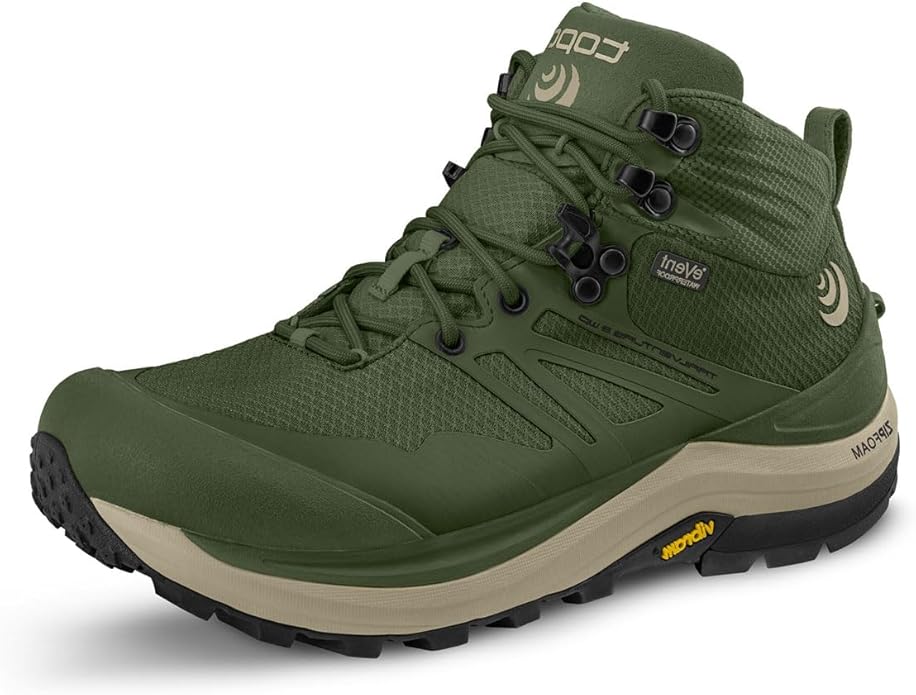
5. Topo Athletic Trailventure 2 WP – The Cushioned Waterproof Option
Price: $180/ £200
Weight: 405g per shoe (men’s 9)
Waterproof: Yes (eVent membrane)
Ground feel: 3/10
Our verdict: 8.0/10
🛒 Check Current Price on Amazon
As an Amazon Associate, we earn from qualifying purchases
Important Note: Ok, I’m stretching it here. Like Altra, Topo Athletic isn’t a barefoot brand – these have 33mm of cushioning at the heel and 28mm at the forefoot (5mm drop). However, the anatomical wide toe box and low drop make them excellent for those wanting natural foot shape with maximum spring trail protection. Lots of people who have gone to barefoot shoes have something like this in their cupboard for really long days!
What We Love
1. Exceptionally wide anatomical toe box
The Trailventure 2 WP features one of the widest toe boxes in hiking boots, period. Even wider than Altra in many testers’ experience. Your toes spread naturally without any compression, even with thick winter socks. For those with wide feet or bunions who struggle with most hiking boots, this fit is revelatory.
2. Serious waterproofing with eVent membrane
The full eVent waterproof bootie construction genuinely keeps water out. Stream crossings, muddy trails, persistent spring rain – these handle wet conditions confidently. The eVent membrane breathes better than Gore-Tex, though it’s still a waterproof boot (meaning some heat buildup on warm days).
3. Vibram Megagrip outsole dominates spring conditions
The aggressive Vibram Megagrip sole with generously-spaced lugs provides exceptional traction on mud, snow, and wet surfaces. The lug spacing optimizes mud and snow release – debris doesn’t pack into the tread. For spring hiking where conditions change constantly, this traction inspires confidence.
4. ZipFoam midsole balances cushion with responsiveness
At 33mm heel/28mm forefoot, this is the most cushioned option on our list. The ZipFoam feels springy and responsive rather than dead and mushy. Long descents on rocky trails don’t beat up your feet. The cushioning provides excellent protection while maintaining enough ground feedback to stay engaged with terrain.
Potential Drawbacks
1. Heavy for a “trail runner” design
At 405g per shoe, these are heavier than traditional hiking boots in some cases. The waterproofing, mid-height ankle, full-length rock plate, and substantial midsole all add weight. Ultralight backpackers will feel every gram. These prioritize protection and comfort over minimalism.
2. Least “barefoot” option on this list
The 5mm heel-to-toe drop and substantial cushioning move these furthest from barefoot principles. You’re getting natural toe splay and low drop, but definitely not ground feel. If barefoot philosophy is your priority, these compromise that for comfort and protection.
3. Waterproofing runs hot in warm weather
The eVent membrane breathes better than Gore-Tex, but it’s still a waterproof bootie. On warm spring afternoons (15°C+), feet can get sweaty. Multiple testers noted discomfort during hot-weather testing. These excel in cold, wet conditions but may be too warm for late spring or dry climates.
Who Should Buy
Perfect For:
- Wide feet that struggle with conventional boots
- Maximum spring weather protection (wet, muddy, cold)
- Hikers with joint issues benefiting from cushioning
- Multi-day backpacking trips with heavy packs
- Those wanting natural toe box without barefoot compromises
Maybe Not For:
- Barefoot purists (too much cushion, not zero-drop)
- Ultralight backpackers counting ounces
- Hot climate or late spring hiking (runs warm)
- Budget-conscious hikers ($180 is top of range)
How to Choose Your Spring Hiking Shoe
If your trails are mostly wet/muddy:
→ Xero Xcursion Fusion (best waterproof + ground feel balance)
→ Vivobarefoot Tracker FG (maximum grip in mud)
→ Topo Trailventure 2 WP (max protection, wide feet)
If you prioritize lightweight speed:
→ Merrell Vapor Glove 6 (lightest, most minimal)
→ Xero Xcursion Fusion (light for waterproof boot)
If you want versatility:
→ Xero Xcursion Fusion (adapts to changing weather)
→ Altra Lone Peak 9+ (cushioned yet natural)
If you’re transitioning from traditional boots:
→ Altra Lone Peak 9 (zero-drop with cushioning)
→ Topo Trailventure 2 WP (natural toe box, familiar cushion)
If you have wide feet:
→ Topo Trailventure 2 WP (widest available)
→ Altra Lone Peak 9 (legendary wide toe box)
If you’re a barefoot purist:
→ Merrell Vapor Glove 6 (most minimal)
→ Xero Xcursion Fusion (true barefoot with waterproofing)
Understanding the Barefoot Spectrum
This list intentionally includes a range from “true barefoot” to “barefoot-adjacent”:
Pure Barefoot:
- Merrell Vapor Glove 6 (6mm sole, zero drop, minimal cushion)
- Xero Xcursion Fusion (5.5mm sole, zero drop, waterproof)
Barefoot Philosophy with Compromise:
- Vivobarefoot Tracker FG (thicker for durability, still barefoot)
Barefoot-Adjacent (wide toe box + zero/low drop):
- Altra Lone Peak 9 (25mm cushion, zero drop, wide toe box)
- Topo Trailventure 2 WP (33mm cushion, 5mm drop, wide toe box)
Why include Altra and Topo? Because spring hiking presents unique challenges. Sometimes you need cushioning for rocky, root-covered trails after winter deconditioning. Sometimes joint issues require protection. The wide toe box and natural foot shape principles still apply – these shoes just add back some cushioning that pure barefoot removes.
Spring Hiking Tips for Barefoot Beginners
1. Start with shorter distances
Spring is when you’re probably getting back into hiking shape after winter. Barefoot shoes engage foot muscles more intensively than traditional boots. Build up gradually – start with 3-5 mile hikes before attempting 10+ milers, or expect significant soreness the next day.
2. Bring extra socks
Even with waterproof shoes, a long spring hike might mean wet feet eventually. Dry merino wool socks in your pack or at the car transform post-hike comfort. The investment in 2-3 pairs of quality socks pays dividends.
3. Watch your step (literally)
Reduced cushioning means you need to pay active attention to foot placement. This is a feature, not a bug – you’ll develop superior foot placement and ankle stability over time. But initially, save podcast listening for the road and focus on the trail. Your brain needs to learn this new movement pattern.
4. Merino wool socks > everything else
Cotton is death in spring conditions. Merino keeps you warm even when wet, wicks moisture effectively, and resists odor after full-day wear. Darn Tough, Smartwool, or Injinji are proven choices. Budget $20-30 per pair; they’ll outlast cheaper alternatives.
5. Consider micro-spikes for early spring
If you’re in mountains where snow lingers into April/May, barefoot shoes work surprisingly well with micro-spikes. The flexible sole allows spikes to bite effectively. Kahtoola MICROspikes fit most barefoot shoes – just verify compatibility before purchase.
6. Transition shoes aren’t cheating
If you’re new to barefoot hiking, starting with Altra or Topo makes sense. The wide toe box and zero/low drop introduce natural foot positioning without the extreme of minimal cushioning. You can always progress to Merrell or Xero later once your feet strengthen.
Where to Buy
All shoes reviewed are available from:
- Amazon – Fast shipping, easy returns
- Brand official websites – Sometimes better selection, direct warranty
- Specialized outdoor retailers – REI, Backcountry for in-person fitting
We earn a small commission on purchases through our affiliate links at no cost to you. This supports our independent testing and reviews.
Final Verdict
Spring hiking in barefoot (or barefoot-adjacent) shoes works brilliantly in practice. Yes, you’ll feel the cold puddle you just stepped in. Yes, you’ll know exactly when you’re on mud versus rock versus pine needles. That’s the point.
Our top pick for pure barefoot: Xero Xcursion Fusion ($140) delivers the best all-around performance for typical spring hiking conditions – waterproof protection, genuine ground feel, and proven durability.
Best for wide feet: Topo Trailventure 2 WP ($180) or Altra Lone Peak 9 ($140) – both offer exceptional toe box room with spring-appropriate protection.
Best value: Merrell Vapor Glove 6 ($100) offers legitimate barefoot hiking capability at an accessible price point for experienced minimalists.
Best for wet conditions: Vivobarefoot Tracker FG ($200) provides expedition-grade traction and waterproofing when conditions demand maximum performance.
Best transition shoe: Altra Lone Peak 9 ($140) bridges traditional boots and barefoot with zero-drop, wide toe box, and protective cushioning.
If you’re already hiking in barefoot shoes, you know the benefits. If you’re considering the switch, spring is actually an ideal time to start – varied conditions mean you’ll learn quickly what works and what doesn’t. And if pure barefoot feels too extreme, Altra and Topo prove you can keep natural foot shape principles while maintaining protective cushioning.
Now get out there before the midges arrive.
Meta Description: Best barefoot and wide toe box shoes for spring hiking 2026. Expert reviews of Xero, Vivobarefoot, Merrell, Altra, Topo. Waterproof options, transition shoes, and minimal designs for mud, wet trails, and variable spring weather.